

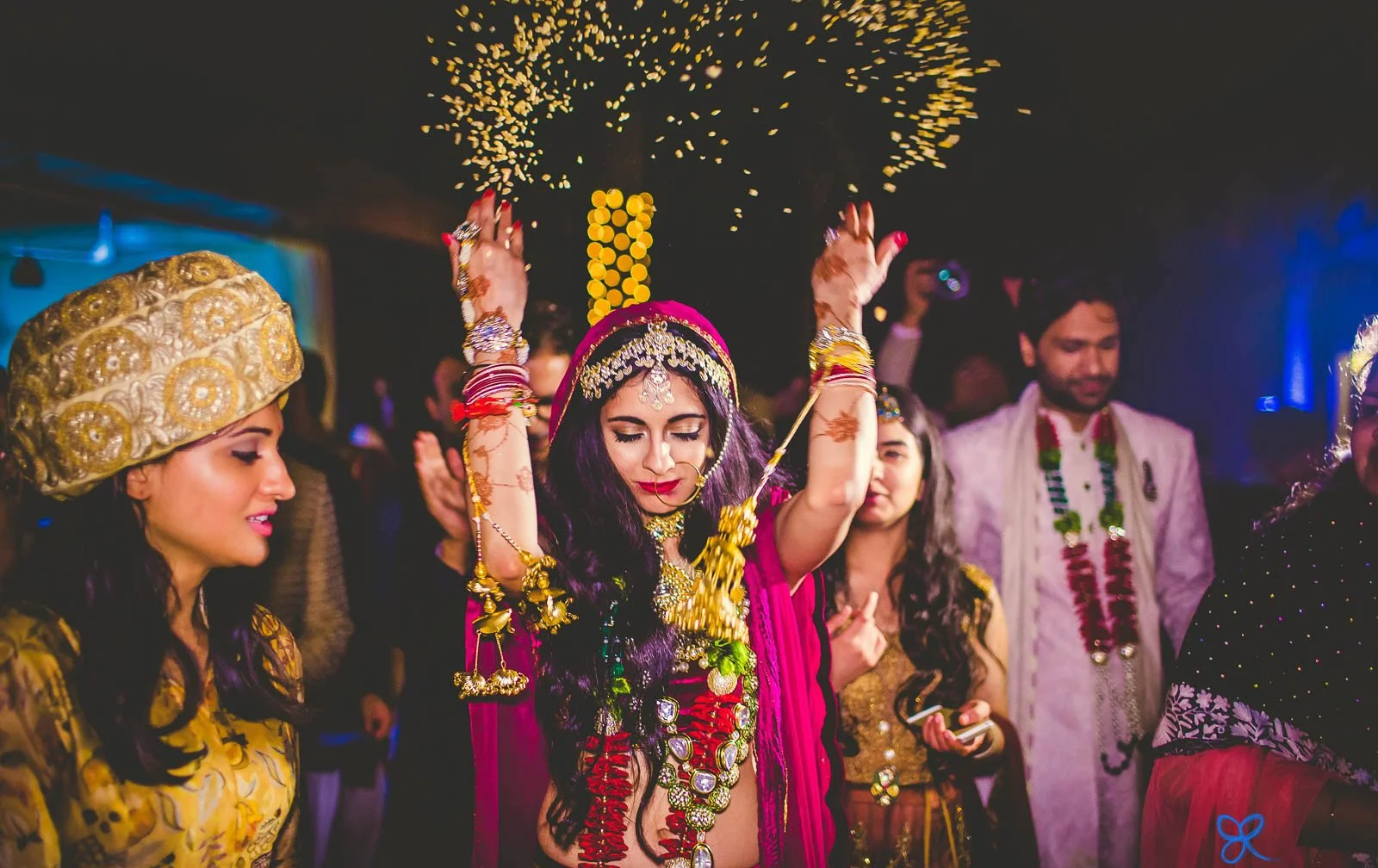
A Hindu wedding celebration brings two person and their families together through traditional rituals, meaningful customs, and religious ceremonies. Each ceremony represents the importance of married life and family blessings. Understanding the importance of each Hindu wedding ritual in order helps individuals prepare for all the wedding rituals beforehand. Although all the traditions are different across Indian communities and regions, most Hindu weddings include pre-wedding, main marriage ceremony, and post-wedding celebrations. In this blog, we will provide you with “Hindu Wedding Rituals: A Complete Order of Ceremonies”.
A Complete Guide To The Hindu Marriage Ceremony
A traditional Hindu wedding includes many rituals and functions that differ according to regional and family traditions, as mentioned below in the table:
| Stage | Wedding Ritual | Significance |
| Pre-wedding | Roka | Formal acceptance of the marriage alliance |
| Pre-wedding | Ganesh Puja | Seeking blessings for an auspicious beginning |
| Pre-wedding | Haldi | Traditional turmeric ceremony |
| Pre-wedding | Mehendi | Applying henna to the bride’s hands and feet |
| Pre-wedding | Sangeet | Music, dance, and family celebrations |
| Wedding Day | Sehra Bandi | Preparing the groom for the wedding |
| Wedding Day | Baraat | Groom’s wedding procession |
| Wedding Day | Milni | Welcoming and greeting both families |
| Wedding Day | Jaimala | Exchange of floral garlands |
| Wedding Day | Kanyadaan | Traditional ritual involving the bride’s parents |
| Wedding Day | Panigrahan | Groom taking the bride’s hand |
| Wedding Day | Mangal Pheras | Sacred wedding circumambulations |
| Wedding Day | Saptapadi | Seven sacred steps and commitments |
| Wedding Day | Sindoor and Mangalsutra | Traditional symbols of marriage |
| Post-wedding | Vidaai | Bride’s farewell |
| Post-wedding | Griha Pravesh | Welcoming the bride into her new home |
Pre-Wedding Hindu Rituals
Pre-wedding ceremonies is beneficial for couples that prepare them for their marriage and bring families together. This includes:
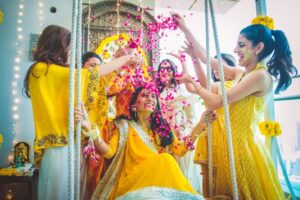
- Roka Ceremony: In the roka ceremony, the marriage alliance is formally announced, and families exchange sweets as well as gifts. The couple gets blessings from all the elders. It is the time from which all the wedding preparations begin.
- Ganesh Puja: People worship Lord Ganesha and pray for an auspicious beginning and take blessings for all wedding celebrations.
- Haldi Ceremony: Apply turmeric paste to the bride and groom; this is a part of Indian wedding tradition. In which all the family members participate.
- Mehendi Ceremony: In this traditional ceremony, bride’s hands and feet are decorated with henna. Music, dancing, and family celebrations accompany the function.
- Sangeet Ceremony: Families celebrate it through music and dance. All the members perform choreographed dances.
Main Hindu Wedding Day Rituals
The main wedding day includes sacred ceremonies to celebrate the union of the bride and groom. Have a look at its celebrations:
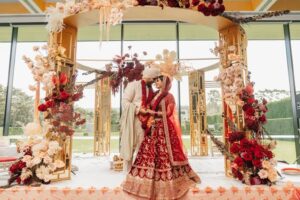
- Sehra Bandi: In the Sehra Bandi function, the groom wears a traditional sehra and all the family members bless him. It is performed before the Baraat.
- Baraat: The groom and his family & friends arrive at the wedding venue with the traditional dhol, dancing, and music.
- Milni: Then, there is a function where both families greet each other. It is a traditional greeting and gift exchange ceremony.
- Jaimala or Varmala: The groom and bride exchange floral garlands, and it takes place on the most decorated wedding stage.
- Kanyadaan: In the Kanyadaan, bride’s parents traditionally perform this ritual and offer blessings. This ritual holds emotional as well as religious significance.
- Panigrahan: It symbolizes acceptance and commitment. The groom takes the bride’s hand during the sacred marriage ceremony.
- Mangal Pheras: In the mangal pheras, the couple walks around the sacred fire. The number and sequence of pheras vary across traditions.
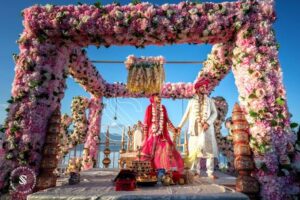
Saptapadi – The Seven Sacred Steps
| Step | Meaning |
| First | Nourishment and well-being |
| Second | Strength and health |
| Third | Prosperity and stability |
| Fourth | Happiness and harmony |
| Fifth | Family and responsibilities |
| Sixth | Mutual care and companionship |
| Seventh | Lifelong friendship and commitment |
Sindoor & Mangalsutra
The groom applies sindoor and ties the mangalsutra to the bride. Both are recognized as traditional symbols of marriage in Hindu communities.
Post-Wedding Hindu Rituals
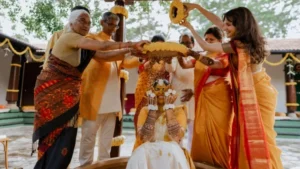
It is the beginning of a couple’s married life. There are some rituals considered the post-wedding Hindu rituals mentioned below:
- Aashirwad Ceremony: The couple receives blessings and gifts from elders. They celebrate their newly married couple
- Vidaai Ceremony: The bride bids farewell from her parental home.
- Griha Pravesh: It is a traditional entry ceremony. The bride is welcomed into the groom’s home. It represents a new beginning for a couple.
Regional Variations in Hindu Wedding Rituals in Order
| Region | Popular Wedding Rituals |
| North India | Roka, Haldi, Mehendi, Jaimala, Pheras |
| South India | Kashi Yatra, Kanyadaanam, Mangalya Dharanam, Saptapadi |
| Bengal | Gaye Holud, Shubho Drishti, Mala Badal, Saat Paak |
| Gujarat | Garba, Pithi, Jaan, Hasta Milap, Mangal Pheras |
| Maharashtra | Sakhar Puda, Halad, Antarpat, Mangalashtak |


